project overview

What are vascular anomalies

Vascular anomalies (VAs) are debilitating lesions of the vasculature, that can be localized anywhere in the body, invade any tissue and destroy organs. They are present at birth or appear in early childhood. They may cause chronic pain, organ dysfunction and poor quality of life. About 40 different subtypes exist, affecting arteries, capillaries, veins, lymphatics or a combination of those.

WhY V.A. Cure?

VAs require life-long clinical management, often by endovascular treatment and extensive surgical resection. These treatments may generate significant collateral damage and non-perfused scars. Current treatment modalities are often ineffective or impossible due to extensiveness of lesions. Regrowth commonly occurs, leaving patients with chronic pain, severe bleeding and painful ulcerations. There is a pressing need to develop new therapeutic options.


What we do

V.A. Cure is an EU-MSCA-ITN project that started on 1 March 2019. The project comprises research, training and networking, with two main goals: to develop new therapies for vascular anomalies and to train a next generation of highly skilled vascular biologists.

 
Research

Our 14 ambitious research projects together aim to (1) unravel the genetic bases of uncharacterised vascular anomalies (VAs), (2) understand the molecular and cellular mechanisms underlying VAs, (3) validate and precisely characterise disease mechanisms in physiological conditions and (4) identify and test potential molecular therapies for VAs.

Training

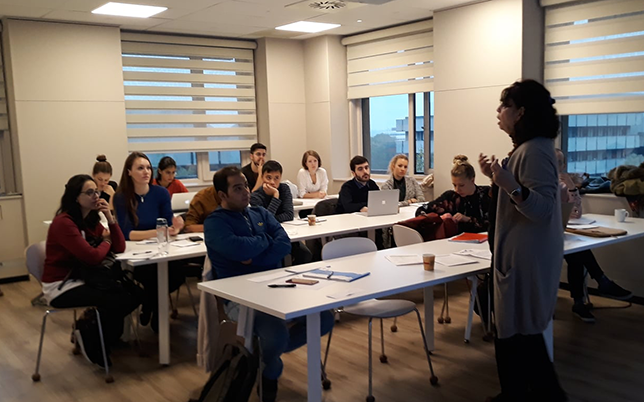
V.A. Cure aims to train 14 Early Stage Researchers (ESRs) to become creative and entrepreneurial researchers in the field of vascular biology. They are educated in an integrated approach of rare disease research, with multidisciplinary interaction, patient involvement, international collaboration and creative exploitation. The training covers the full research line from bed to bench and back to bedside.

Networking

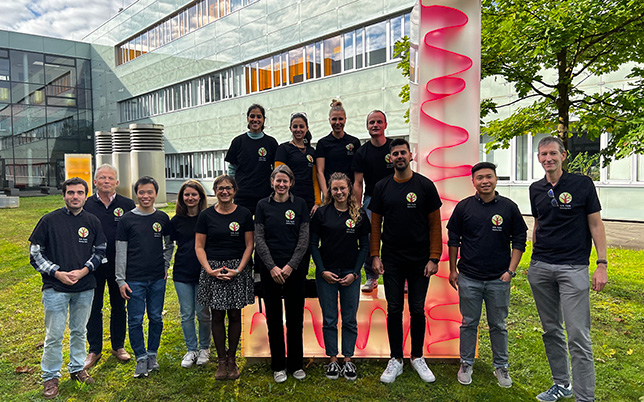
V.A. Cure’s ESRs have many networking opportunities - local, international and intersectoral – e.g. through the program’s scientific meetings, secondments, company visits, outreach and social activities

Dissemination

The V.A. Cure partners make the network, the results and the impact thereof known to a wide audience. Communication targets the research community, through scientific publications, as well as the general public, through social media and activities such as the EU's researchers' nights and rare disease day.